
Airports are overwhelming – but you can survive them!
There’s not a traveler out there who will disagree that airports are awful! For those of us blessed with neurodivergent noggins, airports can feel like sensory hell. They often come with chaotic crowds, the sudden and noisy loudspeaker announcements, glaring screens, unforeseeable delays, and a myriad of unpredictable other factors. It’s a lot for anyone! For neurodivergent travelers, the airport experience can be exceptionally mentally draining and anxiety-inducing.

But navigating air travel doesn’t have to be a nightmare. With the right strategies and tools, and a little extra compassion for yourself, you can make your trip easier. In the Neurodivergent’s Guide to Airport Survival, we’ll look at practical, neurodivergent-friendly tips and tricks to help make your travels smoother – so you can focus less on airport chaos and more on your adventure ahead!
Airports weren’t designed for humans
Let’s face it: airports weren’t built with our comfort in mind. They’re engineered for efficiency and crowd control, not sensory sensitivity. Everything about airports feels chaotic and unpredictable.

For the neurodivergent traveler, this can lead to sensory overload, anxiety, a breakdown in executive function, or even a meltdown before you’ve even made it to your gate. Airport pandemonium can make you feel like travel isn’t for you. As hostile an environment as airports can feel, they don’t have to tank your trip before it’s begun. Understanding why airports feel so overwhelming is the first step toward reclaiming some control over your experience and making things easier on yourself.
Packing & Prep for Airport Ease
A smoother airport experience often begins before you even leave home. Thoughtful packing and a little prep can make a world of difference when you’re navigating a stressful environment.
Sensory Tools
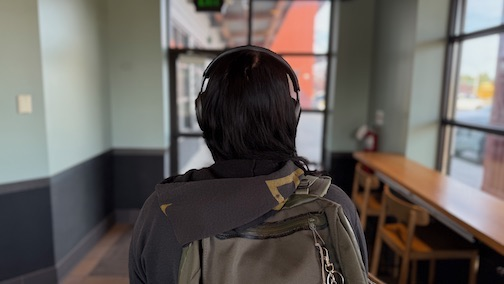
Firstly, start with sensory tools. Whether you prefer noise-cancelling headphones, Loops, or another type of earplugs to block out sudden and loud noise, being able to filter or block out sound is probably the single most important sensory-defending tool in your arsenal. While Loops are a popular choice, noise-cancelling headphones are also a strong option. For example, Bose QuietComfort Ultra headphones are designed to maximize comfort over several hours of constant use.

Neurodivergent travelers with light sensitivity can bring tinted glasses or sunglasses to take the edge off of harsh lighting and screen glare. A comfortable eye mask can help you relax once you are seated on board the plane.
Finally, fidget toys or a small comfort item can be a helpful tool for self-regulation and staving off anxiety pangs. Which object you choose – and whether it’s useful– is entirely subjective. While these toys can be helpful for many, they’re not for everyone.
Prepare your essentials in advance
Know which government-issued ID you’re using and have it in an easily accessible place. Keep it together with your boarding pass and your itinerary if that helps you stay organized. Boarding passes can typically be printed out or downloaded on your airline’s mobile phone app. There are some circumstances in which your boarding pass can only be retrieved in person at the airport, due to airline policies, a need for document verification, or technical issues. This is extremely common, for example, when flying to the United States from another country, regardless of your citizenship.

If you require accessibility services or are taking a flight that involves eating a meal provided by the airline, you can pre-order the services or a special meal in advance. This helps you avoid any surprises or having to make last-minute decisions under pressure.
Learn your route
Many airports nowadays have online maps that can help you get a sense of your route from where you will check-in, pass through security, and find your gate. These maps can also help you establish what other services are available in the airport from prayer rooms to restaurants to shops. Knowing what to expect can reduce anxiety and help you plan breaks if you need them.

Note that while this will apply to major airports, many smaller airports or less trafficked airports, particularly in poorer regions of the world, may not have this as an available option.
Off-peak travel times
This is not an option for every traveler or route. The ability to control your travel schedule can make a big difference in your travel experience. Early mornings and mid-week flights tend to be less crowded and less noisy both in the airport and on the plane itself.

Spending a bit of time packing and planning in advance helps you enter the airport prepared for the experience.
Travel at Your Tempo
Once you’re inside the airport, give yourself permission to slow down and do what you need to stay emotionally regulated.
Identify quiet(er) spaces
Every airport is different, but most have pockets that are quiet or, at least, quieter than the main throughways. Major airports nearly always have prayer rooms, private airline lounges, or less-busy gates. Prayer rooms are the best bet for anyone seeking a calm space as they are reserved for peaceful contemplation and most airports will have something available.

Large airports which represent a major hub for a particular airline will typically have a private lounge. While these private lounges are generally free for those with business or first class fares with the airline in question, it is possible for others to pay a fee to use the space. These spaces are quieter and have fewer people in them to make noise. They often have meals or snacks available.

When there is a lack of options, even the smallest airports will have gates that are either less frequented due to their location or are not currently in use. These spaces tend to be free from noisy, restless passengers.
Don’t hesitate to take breaks in these spaces when the crowds and noise feel too much.
Time buffers
The time you arrive at the airport may not be fully within your control, but arriving a little earlier than necessary can help to alleviate stress. No one wants to deal with the panic of rushing through security or running to their gate, especially if it is a busy time with higher numbers of passengers being processed at the same time. Extra time gives you more control over the pace at which you navigate the airport so you can pause or stim if needed.

Move at your own speed
Don’t worry about keeping up with other travelers, even if they’re part of your own group. If you need to walk slowly, you walk slowly. Take your seat when you’re ready whether you want to wait until others have gone or you wish to take advantage of early boarding for passengers with disabilities or those who just need more time. It is your legal right, and you deserve to use it.

Smart Tools and Support Systems
Technology and accessibility programs can make airports much more manageable.
Airport & airline apps
Many airports nowadays have their own apps with real-time updates, interactive maps, and other accessibility info. Downloading these before you go can help you navigate the airport more easily — especially if you struggle with changes or unclear signage.
In the event that your airport does not have such an app, there is a good chance that your airline does. These apps will have real-time updates on your flight and can often help you to navigate a terminal or time your journey between gates for a transfer. Many can also track checked bags if you have them.

Additionally, third-party apps, such as FlightAware, can give you up-to-date information about delays or gate changes.
Even small schedule changes can feel disruptive, so these tools help you stay one step ahead.
Request meet-and-assist services
Almost all airports offer free accessibility support, including help with check-in, security, and boarding. If you need accessibility support at the airport you can typically request these services when booking your ticket or by contacting either your airline or the airport staff in advance. If you require extra patience, guidance, or a quieter path through security, these services can make a huge difference.

Consider a Hidden Disabilities Sunflower lanyard
The Sunflower is a discreet way to let airport staff know that you may need extra support or patience due to an invisible disability. This program was created by the Hidden Disabilities Sunflower organization and is now recognized at many airports, train stations, and venues worldwide. However, not every airport is part of the program, so check the organization’s website to see which locations participate. If you plan to use one, you can order a lanyard in advance online or pick one up at a participating airport before you travel.

Supporting Yourself Along the Way
Even with the best planning, travel days can still be hard. Give yourself room to feel however you feel. This could mean overwhelmed, frustrated, spaced out, anxious, or fine one minute and not fine the next. Neurodivergent people often need longer recovery time after overstimulation. Don’t forget to give yourself a big dose of kindness and compassion.
Some people find it helpful to have grounding techniques ready for moments of overwhelm. Some strategies include deep breathing, sensory breaks, or focusing on a comforting object. Others prefer mindfulness exercises or mental strategies. And if none of that helps, that’s okay too. There’s no single “right” way to self-regulate.

Remember to advocate for your needs. You don’t need permission! This could mean utilizing accessibility services, requesting help from staff, or taking time out to rest. Supporting yourself is necessary and the most important step for a successful air journey.
Your Travel, Your Way: Ready for Takeoff!
Airports might always be chaotic, but with the right strategies, they don’t have to derail your entire trip. From sensory tools and smart planning to support systems and self-advocacy, small adjustments can make a big difference.

Traveling with a neurodivergent operating system can be challenging. With the right tools and strategies, you can shape the airport experience in a way that works for you. So take a deep breath, pack what you need, and remember: you deserve to travel comfortably, confidently, and on your own terms. Safe travels!